
This guide doesn’t claim to be “tested” yet. Every fact in it is checked against primary sources, but nobody’s personally signed up for each tool with a Nigerian connection and gone through checkout. See “How we researched this” below for exactly what was and wasn’t done.
You’ve seen the “best AI tools” lists. You’ve probably tried to act on one, signed up, picked a plan, gone to pay, and hit a wall a generic list never warned you about. A tool being “available in Nigeria” and a tool being payable from Nigeria are two different things, and the gap between them is where most of these guides go quiet.
This guide doesn’t. It covers which AI tools you can actually use, what they really cost once you account for currency and fees, and, in the longest section, exactly how to pay for them from Nigeria in 2026, including the one answer most competing lists miss.
Which AI tools can you actually use in Nigeria?
| Tool | Best for | Free option | Payment route from Nigeria | Evidence |
| ChatGPT (incl. ChatGPT Go) | General AI, customer messaging, content drafts | Yes | Go: regular naira card, ₦7,000/month. Plus: virtual dollar card or Apple/Google billing | Source-checked |
| Claude | Writing, analysis, longer documents | Yes | Credit/debit card only — no PayPal, no crypto | Source-checked |
| HubSpot (free AI tools) | CRM, lead capture, basic marketing AI | Yes, generous free tier | No payment needed for the free tools | Source-checked |
| Canva | Design, social graphics, flyers | Yes | Card payment for Pro | Source-checked |
| Zoho AI | Business suite (CRM, books, HR) with AI features | Yes, per app | Card payment for paid tiers | Source-checked |
| Grammarly | Writing and editing assistant | Yes | Card payment for Premium | Source-checked |
Evidence label key: “Source-checked” means verified against the vendor’s own current pages and, where possible, a second independent source, not personally tested from a Nigerian connection. See the note below.
How we researched this
This guide doesn’t carry a “Tested in Nigeria” label, because that work hasn’t happened yet. Here’s what it does carry: every claim was checked against the tool’s own current site, pricing pages, help-center articles, legal agreements, and, wherever possible, a second independent source, rather than pulled from older roundups or AI-generated comparison sites. Where sources disagreed, the most current, most clearly first-party one wins, not an average of both. A short hands-on test log- sign up without a VPN, check what the checkout shows a Nigerian user, note the price and currency- is the next step before this guide can honestly carry a “Tested” label.
Can you actually pay for these tools from Nigeria?
This is the question generic lists skip, and it’s the one that actually decides whether any of the tools above are usable for your business.
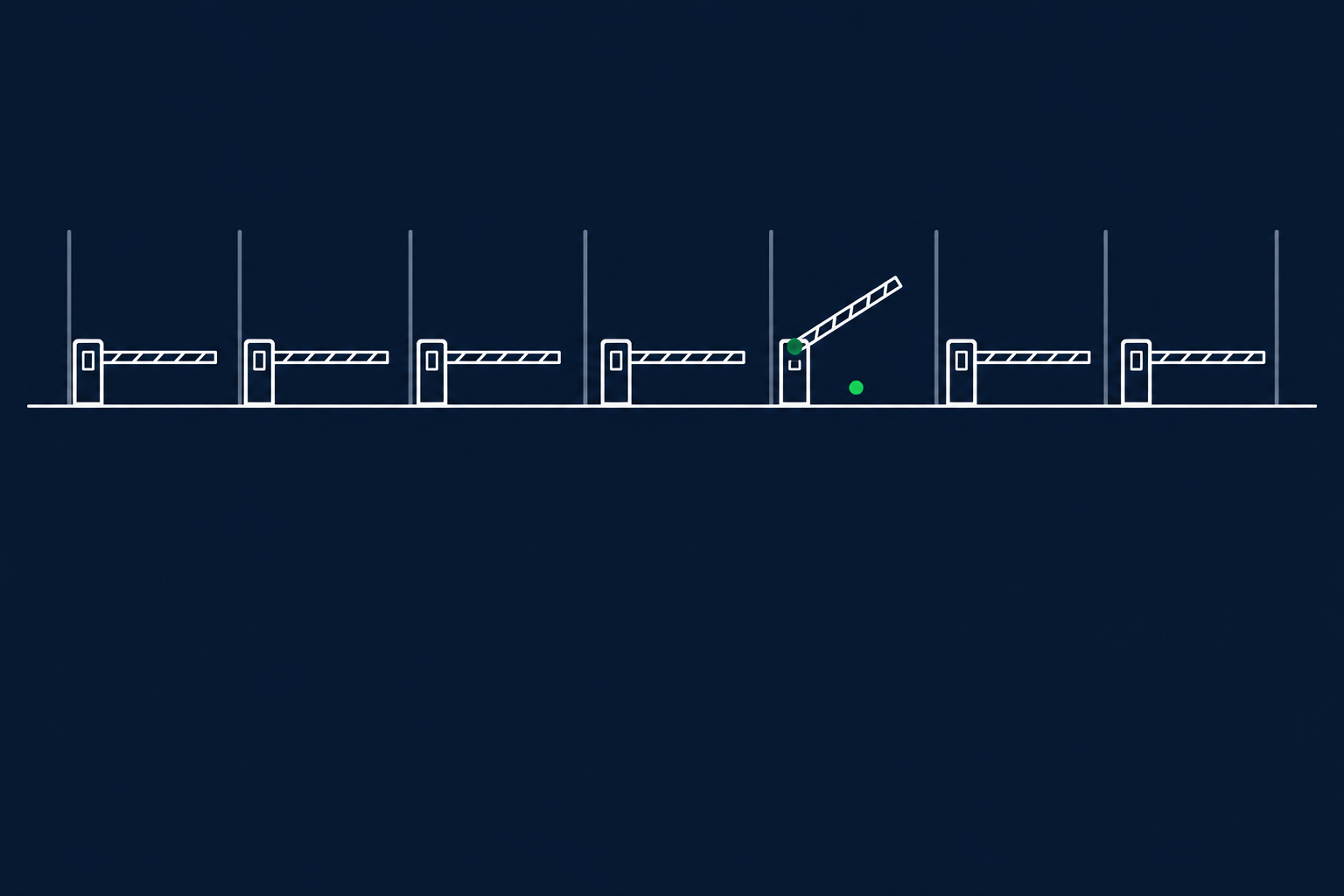
Why “available in Nigeria” doesn’t mean “you can pay”
OpenAI and Anthropic let you sign up and use the free tier from Nigeria without any friction. The trouble starts at checkout. Both companies bill in US dollars by default. A regular Nigerian naira card isn’t a guaranteed yes or a guaranteed no at that checkout; it depends on three things: your bank’s current international spending limit, the payment processor’s fraud checks, and sometimes a mismatch between the country your card is issued in and the country the checkout expects, which has nothing to do with how much money is in your account.

This is genuinely a 2026-specific situation, not a fixed rule. Nigerian banks sharply raised their international card limits through 2026 as CBN foreign-exchange policy eased. A card that got declined for this reason in 2023 or 2024 might work today. Don’t assume either way; check what your specific bank currently allows, and treat a decline as a limits-and-processing issue, not a reflection on your card.
The naira-billed option that skips the problem entirely: ChatGPT Go
If you don’t specifically need ChatGPT Plus’s higher limits or priority access, this is the cleanest answer in this whole guide. OpenAI launched ChatGPT Go in Nigeria at ₦7,000 a month, billed directly in naira. No virtual dollar card. No dollar-billing friction. It works with the regular Nigerian card you already have. See OpenAI’s current pricing page for the full comparison.
It includes GPT-5 access, higher message limits than the free tier, faster image generation, and custom GPTs. It’s missing some of Plus’s deeper limits and doesn’t get new features first, but for most SME tasks, like customer replies, content drafts, and planning, it’s enough. Upgrade to Plus only once you’ve actually hit Go’s limits in real use.
Will a Nigerian debit card work for ChatGPT Plus or Claude Pro?
Inconsistently, it’s worth checking rather than assuming. Nigerian banks have been raising international card limits through 2026. Some tier-1 banks now allow several thousand dollars a quarter, a sharp change from the near-total blocks of 2022–2023. A naira card increasingly has a shot at clearing a $20–22 monthly charge on balance alone.
But the same transaction can still get flagged by the processor’s fraud and billing-country checks, regardless of your available limit. That’s why naira-card results are still mixed. And the gains aren’t spread evenly across banks: as of August 2026, GTBank’s cap had risen to $40,000 a quarter, while Stanbic IBTC held its naira debit card to just $100 a month; the same “limits are rising” story plays out very differently depending on who you bank with, according to BusinessDay’s August 2026 reporting.
Before you try, check your bank’s current international spending allowance; call them or check the app, since it changes often. Have a backup plan ready (below) in case the first attempt fails.
Do you need a virtual dollar card?
For ChatGPT Plus or Claude Pro specifically, a virtual dollar card, Grey, Chipper Cash, Payoneer, or similar, remains the more reliable fallback if your naira card doesn’t clear. A few things worth knowing before you rely on one:
- Keep a funding buffer. Most providers recommend putting more on the card than the plan costs. Here’s why: before the real charge goes through, a small test charge (often $1–5) checks that the card works. Fund the card with the exact subscription price, and that test charge alone can make it fail.
- Treating “which card works best” claims skeptically. Almost everything written comparing virtual card providers for AI subscriptions is either the card company’s own marketing or one user’s anecdote, not independently verified. Grey’s own documentation confirms it works on ChatGPT Plus, Claude Pro, and Notion as of recent checks, with that same billing-country mismatch as the main cause of decline, not the card itself. But that’s still the vendor describing its own product; verify at checkout rather than taking it as a guarantee.
- Chipper Cash is an established, active option in Nigeria. USD virtual cards are a core part of its Nigerian business.
One correction worth flagging directly: Claude Pro does not accept PayPal or crypto
Anthropic’s own help center is explicit: the only way to pay for Claude Pro on the web is a credit or debit card. If you’ve read elsewhere, including earlier drafts of this research, that PayPal or crypto works directly through Anthropic’s checkout, that’s wrong. Third-party services that claim to sell Claude Pro for crypto aren’t part of Anthropic’s own billing. They carry their own risk, and this guide doesn’t cover them.
A note on Claude Pro’s price in Nigeria
Anthropic’s Nigerian App Store price for Claude Pro changed significantly in 2026, and it may change again. Don’t treat any fixed naira figure here as reliable; check claude.ai directly, the same week you read this. The standalone, direct web price is $20 a month, billed in USD.
Which of these tools can you use for free?
If you’re not ready to pay for anything yet, you still have real options:
- ChatGPT free tier; usable from Nigeria with no VPN, no card required.
- Claude free tier; same deal: sign up, use it, no payment method needed.
- HubSpot’s free AI tools; a genuinely usable free CRM and basic marketing AI layer, no card required to start.
Start here, and only add a paid tool once you’ve matched it to a payment route that’s actually confirmed to work for you.
Which tool should you choose for what?
There’s no single winner; pick based on what the job actually needs.
- General AI, customer messages, quick drafts: ChatGPT (Go if you’re cost-sensitive, Plus if you need more headroom).
- Longer writing, analysis, documents you’ll actually publish or send: Claude.
- CRM, lead tracking, basic marketing automation: HubSpot’s free tools; don’t pay for a CRM before you’ve outgrown the free tier.
- Design; social posts, flyers, simple graphics: Canva.
- Running more of the business in one place (books, HR, CRM) with AI features baked in: Zoho AI.
- Cleaning up writing, emails, and customer-facing copy: Grammarly.
Which tools did we research but leave out of the core list?
Leaving a tool out is a research result, not an oversight. Here’s why each of these didn’t make the core six, and what the evidence actually showed.
- Jasper: Jasper runs two separate partner programs, and it’s easy to confuse them. The Solutions Partner Program is explicitly for agencies and consultancies, not individuals. Jasper also used to run a separate Marketing Affiliate Program open to individual content creators, but as of this research pass, the page that hosted it no longer resolves; it redirects to Jasper’s homepage, and the current site navigation lists only the agency-facing Solutions and Tech Partner programs. Treat Jasper as a tool-only recommendation for now, with no affiliate monetization behind it. If you want to confirm this yourself, Jasper’s partner team can be reached at partners@jasper.ai.
- Notion AI: a strong product, but its affiliate program is currently closed to new applicants, confirmed directly on Notion’s own site. No revenue angle here for now; it could reopen later.
- Make.com: a capable automation tool, but it didn’t make the core list. The research turned up no documented case of a non-technical Nigerian SME running it day-to-day; it’s mostly used by developers and consultants linking other tools together, a different audience than this guide’s core reader. For what it’s worth, its affiliate program is open to anyone with a Make account: 35% commission for 12 months, paid out via Wise.
- Tidio: live chat and AI triage, genuinely useful for e-commerce. It’s left off the core six not because of a documented problem, but because it serves a narrower use case — storefront live chat- than the general-purpose tools this guide focuses on. Worth a separate look if live chat is what you actually need. Its affiliate program is open to anyone: up to 30% recurring commission.
A note on how this guide makes money
This article includes affiliate links wherever a program genuinely exists and is open to individual publishers, confirmed directly against each vendor’s own current site, not assumed. As of this research, three programs qualify: HubSpot pays a 30% recurring commission for up to a year and is open to individual content creators. Zoho pays a tiered commission, 15% rising to 20% at higher referral volume, also open to individuals. Grammarly runs a two-part commission structure covering both free signups and Premium purchases, through the Impact network. ChatGPT and Claude have no public affiliate program; there’s nothing to disclose there, because there’s no link. Jasper and Notion AI have no current affiliate program either (see above). Several of the tools recommended highest in this guide carry no affiliate revenue at all. The ranking reflects the evidence, not which program pays.
Frequently asked questions
Can I use Claude AI in Nigeria?
Yes. Sign up, and the free tier works from Nigeria without a VPN. Paying for Claude Pro needs a credit or debit card; Anthropic doesn’t accept PayPal or crypto directly. Whether a Nigerian-issued card clears depends on your bank’s current international limit and the transaction’s risk check. That’s gotten more reliable through 2026 as banks raised their limits, but it still isn’t guaranteed.
Does ChatGPT work in Nigeria?
Yes, including a naira-billed option. The free tier and sign-up work without a VPN. For a paid tier, ChatGPT Go at ₦7,000/month bills directly in naira with a regular Nigerian card, no dollar card needed. ChatGPT Plus bills in USD, though, and carries the same naira-card uncertainty described above.
Which AI tools work without a VPN in Nigeria?
Based on this research: ChatGPT, Claude, HubSpot, Canva, Zoho, and Grammarly all support sign-up and use from a Nigerian connection without a VPN. One thing this guide can’t confirm yet is whether using a VPN itself causes account restrictions on any of these platforms. Sources disagree, and none trace back to a primary source; this needs a firsthand, no-VPN test before anyone states it as fact.
How do I pay for AI tools in Nigeria without a dollar card?
Two reliable paths. First, use a tool with direct naira billing where one exists; ChatGPT Go at ₦7,000/month is the clearest example. Second, use your regular Nigerian bank card, but check its current international spending limit first; those limits have risen a lot through 2026, so a card that
failed before might work now. If neither works for a specific tool, a virtual dollar card (Grey, Chipper Cash, Payoneer) funded above the plan price is the standard fallback, though acceptance varies by merchant and isn’t guaranteed.
Next step
Start with the free tiers of ChatGPT and Claude. No payment method needed, no risk of a declined card derailing your afternoon. Add one paid tool only once you’ve confirmed, for your specific bank and card, that the payment actually clears. If you’re choosing between ChatGPT Go and ChatGPT Plus, start with Go. It’s naira-billed, it’s cheaper, and most SME tasks won’t hit its limits.
One more thing before you connect any of these tools to real customer data: Nigeria’s data protection law applies to AI tools too. See our NDPA compliance for SMEs using AI guide for what that means in practice.
This guide is part of our growing practical AI resource for Nigerian business owners; see Practical AI tools for Nigerian businesses for everything else we’ve covered.